

Introduction to Traditional Greek Stifado
What is Traditional Greek Stifado and why should you try it?
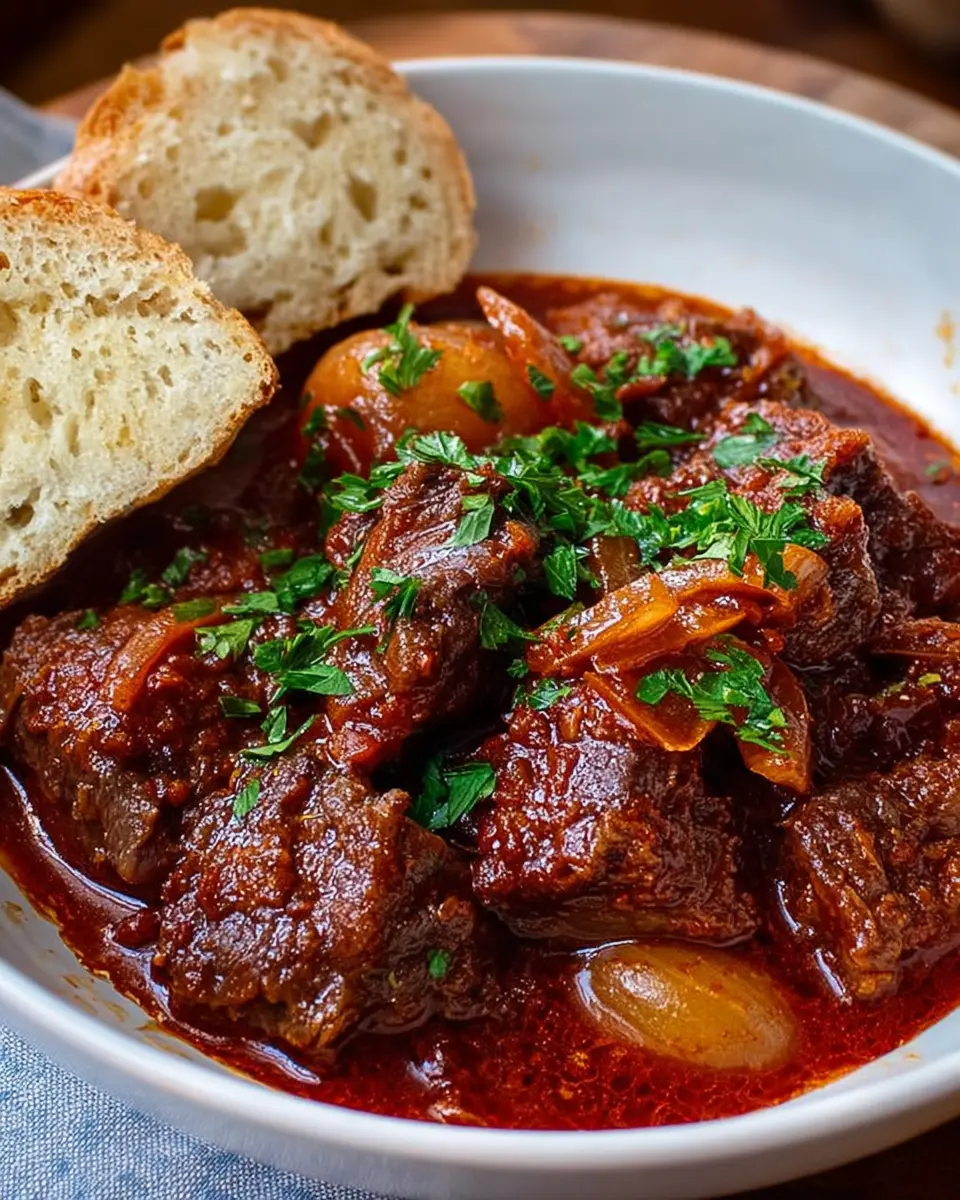
If you’re looking to explore Greek cuisine beyond the standard gyros and souvlaki, you absolutely have to dive into Traditional Greek Stifado. This hearty stew, brimming with tender beef and aromatic onions, represents the essence of Greek comfort food. It’s a dish that warms the soul and brings people together—a true celebration of rich flavors and textures.
So, what makes Stifado so special? First, let’s talk about its origins. Stifado dates back to ancient Greece and has been refined over centuries. It traditionally features slow-cooked beef, which becomes melt-in-your-mouth tender, complemented by sweet onions and a unique blend of spices. Many people choose to incorporate Turkey Bacon or Chicken Ham into their Stifado for an extra layer of flavor, giving it a modern twist on a classic recipe.
The Flavors That Define Stifado
The secret to the unforgettable taste of Traditional Greek Stifado lies in its ingredients:
- Onions: Often the star of the show, they can be used in abundance and are lightly caramelized to enhance sweetness.
- Spices: Commonly cinnamon, bay leaves, and sometimes even a hint of allspice, these spices add a warm and aromatic undertone to the dish.
- Tomato: Fresh or canned tomatoes provide a tangy base that balances the flavors beautifully.
Why should you consider making it? Well, aside from being delightful comfort food, it’s also quite easy to prepare. Imagine coming home after a long day, where the enticing smell of Stifado welcomes you—sounds pretty good, right? Plus, it’s a versatile dish. You can serve it with rice, pasta, or even crusty bread to soak up that flavorful sauce.
If you’re curious to learn more about Greek culinary traditions, I highly recommend checking out Visit Greece—they have an amazing resource on regional dishes and their cultural significance!
In short, Traditional Greek Stifado is not just a meal; it’s an experience. It evokes memories and connections, making it perfect for gatherings or quiet evenings at home. So why not give it a try? You might find your new favorite dish waiting just around the corner!

Ingredients for Traditional Greek Stifado
Essential ingredients for a perfect stew
When it comes to crafting a sumptuous Traditional Greek Stifado, the key elements you choose can make or break your dish. Here’s a list of must-have ingredients:
- Beef: Opt for stew meat that’s well-marbled for tenderness.
- Onions: The aromatic base of the stew, you’ll want a good amount—both small pearl onions and larger ones.
- Garlic: Fresh garlic adds depth and flavor.
- Tomatoes: Canned tomatoes work perfectly for that rich, tangy element.
- Turkey Bacon: A leaner alternative that adds a smoky richness without overwhelming the dish.
- Chicken Ham: This can also be used for a subtle, savory note.
- Olive Oil: Preferably extra virgin, for sautéing and adding richness.
For more tips on ingredient sourcing, check out the Mediterranean diet for health benefits and inspiration.
Optional ingredients for added flavor
If you’re looking to elevate your Traditional Greek Stifado, consider these optional ingredients:
- Bay leaves: For an added aromatic layer.
- Cinnamon: A pinch can bring a warm sweetness to the stew.
- Cloves: A few of these can intensify the savory profile.
- Vegetables like carrots and potatoes: To add heartiness and bulk.
- Fresh herbs: Such as parsley or dill, for garnishing and freshness.
Experimenting with these ingredients can take your stifado to new culinary heights! Don’t hesitate to customize based on what you love. What’s your secret touch?
Preparing Traditional Greek Stifado
Creating Traditional Greek Stifado at home is a rewarding culinary adventure. This rich beef and onion stew is an excellent way to impress friends or simply treat yourself to something hearty and fulfilling. Let’s dive into the preparation steps that will make your Stifado truly authentic.
Prep the pearl onions for easy peeling
Start by getting your pearl onions ready. They can be a bit tricky to peel, but a simple trick can save you time. Bring a pot of water to a boil and add the onions for about two minutes. Once they’ve softened slightly, immediately transfer them to an ice water bath to halt the cooking. This method makes peeling a breeze. The skins will come off without a fight, leaving you with beautifully smooth onions for the stew.
Sear the beef for maximum flavor
Next up is the beef. Use cuts like chuck or stew meat, which are ideal for slow cooking. Heat a splash of olive oil in a heavy pot or Dutch oven over medium-high heat. It’s important to get a nice sear on the beef for that extra flavor. Don’t overcrowd the pot; do it in batches if necessary. You’ll want each piece to brown evenly, creating a depth of flavor that will enrich the entire dish. As you sear, the aroma should be inviting – it’s the anticipation kicking in!
Build the aromatic stew base
Once the beef is beautifully browned, you’ll want to build your aromatic base. Lower the heat slightly and add diced onions, carrots, and garlic to the pot. Cook these until they soften and caramelize a bit, releasing their natural sugars and contributing to the sweetness of Traditional Greek Stifado. Toss in a touch of tomato paste to deepen those flavors, giving your stew a lovely, rich color.
Add the primary ingredients and spices
Now comes the exciting part—adding all the primary ingredients and spices. Introduce diced tomatoes (or tomato purée for a smoother consistency) along with some chicken broth as your liquid base. Sprinkle in cinnamon, bay leaves, and a hint of allspice for a truly traditional flavor—these spices are hallmark elements of Greek cooking. For those who enjoy a hint of heat, consider a touch of black pepper or crushed red pepper flakes. The combination of spices will transport you to a little taverna in Greece!
Simmer for the perfect consistency
Once everything is in the pot, bring your stew to a gentle boil. Then, reduce the heat to low and cover the pot. It’ll take about 1.5 to 2 hours of slow simmering for the flavors to meld beautifully. Check occasionally, stirring to ensure it doesn’t stick. You’re looking for a thick, rich consistency that will cling lovingly to each bite.
Incorporate the pearl onions
After your stew has reached that perfect simmer, it’s time to add the pearl onions. They should be tender yet retain a slight bite. Stir them in gently, ensuring they’re immersed in the luscious stew. Now, your kitchen will be filled with an aroma that’s truly irresistible!
Final adjustments and serving prep
Before serving, taste your stew and make any final adjustments. A pinch of salt, a dash of pepper, or even a sprinkle of fresh herbs like parsley can elevate the dish. Serve your Traditional Greek Stifado with crusty bread or over a bed of fluffy rice or creamy mashed potatoes. Not only does this make for an inviting presentation, but it also helps soak up the delightful sauce.
By following these steps, you’ll have a heartwarming dish that captures the spirit of Greek cuisine. Enjoy it with friends and family—because food is best when shared!
For more tips on Greek cooking, check out authentic resources like Olive Oil Times or Greek Cookbook, where you can dive deeper into unique Greek flavors. Happy cooking!
Variations on Traditional Greek Stifado
Vegetarian Stifado: A Plant-Based Twist
If you’re looking for a wholesome alternative to the classic Traditional Greek Stifado, try a vegetarian version that keeps all the hearty flavors you love. Substitute beef with a mix of mushrooms, zucchini, and eggplant to create a rich, meaty texture. The key to achieving that deep, savory taste lies in a blend of vegetable broth, tomatoes, and aromatic spices such as cinnamon and allspice. Don’t forget to add plenty of onions, as they provide sweetness and depth. Want to learn more about cooking with seasonal vegetables? Check out this great resource for tips!
Seafood Stifado: Flavor from the Sea
For those who crave the ocean, consider a seafood twist on Traditional Greek Stifado. Using fresh shrimp, mussels, or even fish fillets instead of beef brings a delightful, briny flavor to the dish. Begin with a light broth made from fish stock and season it with classic Mediterranean herbs like oregano and parsley. The cooking time will shorten, so keep an eye on it to ensure seafood doesn’t overcook. Imagine cozying up with a warm bowl, flavors melding together beautifully—perfect for a Mediterranean-themed dinner. You can find more about seafood cooking techniques at SeafoodSource.
These variations not only cater to different dietary preferences but also open up exciting culinary possibilities, making Greek Stifado accessible and enjoyable for everyone. Whether you’re vegetarian, a seafood lover, or simply curious about exploring flavors, these adaptations will surely impress. Happy cooking!
Cooking Tips and Notes for Traditional Greek Stifado
Common pitfalls to avoid
When making Traditional Greek Stifado, many home cooks stumble over a few common mistakes. First, be cautious about overcooking your beef. It should be tender but not mushy. Another pitfall is the onion—add it too early, and you may lose the delicious caramelized flavor. Instead, let the onions cook down until they’re soft and sweet before combining them with the beef.
Secrets to enhance the flavor profile
To truly elevate your Traditional Greek Stifado, consider these tips:
- Herbs and Spices: Don’t skimp on the cinnamon and bay leaves. They’re crucial for that authentic flavor profile.
- Alternative Additions: Try adding a spoonful of tomato paste for richness or a splash of vegetable broth for an extra umami kick.
- Serving Suggestions: Pair your stew with fluffy rice or crusty bread to soak up those delectable juices.
With these tips in mind, you’ll create a comforting dish that transports you straight to Greece. For more insights, check out Mediterranean cuisine and explore the depth of flavors waiting for you. Enjoy cooking!

Serving Suggestions for Traditional Greek Stifado
Pairing options for a delightful meal
When enjoying Traditional Greek Stifado, consider a hearty side to balance its rich flavors. Opt for creamy mashed potatoes or fluffy rice pilaf, which will soak up the savory sauce beautifully. A crisp, fresh garden salad tossed in a light olive oil vinaigrette can also brighten up the dish, providing a refreshing contrast. You might even think about serving it with warm, crusty bread to wipe up every last bit of that delicious stew.
Creative side dishes to complement the stew
For a twist on classic sides, try roasted vegetables seasoned with herbs. Sweet potatoes, carrots, and zucchini drizzled with olive oil present a colorful and nutritious option. Looking for something even more unique? Consider a Greek-style orzo salad, featuring feta, cherry tomatoes, and black olives to echo the Mediterranean theme of your Stifado.
These pairings not only elevate your dining experience but also enhance your overall appreciation of this traditional dish. For more tips on cooking and serving Greek cuisine, check out these resources on Mediterranean diets and meal prep ideas for busy professionals. Enjoy your culinary journey!
Time Breakdown for Traditional Greek Stifado
Preparation Time
Getting started with Traditional Greek Stifado is simple and engaging! You’ll need about 20 minutes for preparation. This includes chopping onions, garlic, and any herbs you prefer. Giving yourself a little time to enjoy the process makes all the difference. Plus, the aroma of fresh ingredients always lifts the spirit!
Cooking Time
Once prep is complete, the stew will simmer for approximately 2 hours. This slow cooking allows the flavors to meld beautifully, creating a rich and hearty dish. You’ll want to check periodically, giving it a stir to keep everything blended.
Total Time
In total, you’re looking at about 2 hours and 20 minutes for your Traditional Greek Stifado to be ready to serve. It’s a small investment for a meal that brings such delightful flavors to your table! For a smoother cooking experience, consider familiarizing yourself with cooking techniques on well-respected sites like American Institute for Cancer Research or Culinary Institute of America. Enjoy!
Nutritional Facts for Traditional Greek Stifado
Calories per serving
When you indulge in Traditional Greek Stifado, you’re looking at approximately 350–400 calories per serving. This hearty stew is perfect for a cozy night in and offers a satisfying way to fuel your day without feeling heavy.
Protein content
One of the highlights of Traditional Greek Stifado is its protein content. Each serving delivers around 25–30 grams of protein, thanks to the tender cuts of beef. This makes it not only filling but also a great option for those aiming to meet their dietary protein needs.
Key nutrients
Besides being protein-rich, this dish packs in essential nutrients:
- Iron: Important for red blood cell production, ideal for energy levels.
- Vitamin B12: Supports nerve function and is crucial for a healthy brain.
- Zinc: Aids in immune function and is often overlooked in diets.
Feeling curious about where these nutrients fit in your daily requirements? You might find recommendations from resources like the Cleveland Clinic helpful. Balancing your plate never tasted so good!
FAQs about Traditional Greek Stifado
Can I make stifado ahead of time?
Absolutely! Traditional Greek Stifado is one of those delightful dishes that benefits from being made in advance. Preparing it a day or two ahead allows the flavors to meld beautifully, enhancing the overall taste. Simply follow your favorite recipe, let it cool, and store it in an airtight container in the fridge. When you’re ready to enjoy, just reheat it gently on the stovetop or in the microwave.
What’s the best way to store leftovers?
Storing leftovers is a cinch with stifado! To keep it fresh:
- Cool it down: Let your stew reach room temperature before storing.
- Use airtight containers: This helps prevent spoilage and keeps the flavors intact.
- Refrigerate: It can last in the fridge for up to 3-4 days.
- Freeze for longer storage: If you want to keep it for an extended period, freeze it in a freezer-safe container. It can last up to three months. Just remember to label and date it!
For more tips on food storage, you might find this guide from the USDA helpful.
How can I modify stifado for dietary restrictions?
Don’t hesitate to customize Traditional Greek Stifado to meet your dietary needs! Here are some ideas:
- Gluten-free: Swap out any thickening agents like flour with cornstarch or rice flour.
- Dairy-free: Replace any creamy elements with coconut milk or a dairy-free alternative.
- Protein alternatives: If you’re not a fan of beef, you can use turkey or chicken as a substitute.
With a bit of creativity, you can enjoy this stew without compromising your dietary preferences! If you’d like to see more specific adaptations, check out a resource like Cooking Light for tips and inspiration.
Conclusion on Traditional Greek Stifado
Why Traditional Greek Stifado Deserves a Spot in Your Meal Rotation
If you haven’t yet tried Traditional Greek Stifado, now is the perfect time to introduce this hearty stew into your weeknight meals. Packed with tender beef and sweet, caramelized onions, it’s the kind of dish that warms you from the inside out.
Here’s why you should consider making it regularly:
- Nutritious and Satisfying: Loaded with protein and vegetables, stifado is both a comfort food and a nourishing option.
- Versatile: Pair it with rice, crusty bread, or even a simple salad for a complete meal.
- Easily Adaptable: Feel free to experiment with spices or substitute beef with turkey bacon or chicken ham, using whatever you have on hand.
Whether you enjoy cooking or prefer quick meals after a long day, stifado offers a flavor-packed solution. For additional tips on adapting classic recipes in modern kitchens, you might find this Epicurious guide helpful.
So, why not bring a taste of Greece to your table with this traditional and utterly delicious stew? Your taste buds will thank you!
Print
Traditional Greek Stifado: A Cozy Beef and Onion Stew Delight
- Prep Time: 30 minutes
- Cook Time: 2 hours
- Total Time: 2 hours 30 minutes
- Yield: 6 servings 1x
- Category: Main Dish
- Method: Stovetop
- Cuisine: Greek
- Diet: Non-Vegetarian
Description
Traditional Greek Stifado is a rich and hearty beef and onion stew that showcases the comforting flavors of Mediterranean cuisine.
Ingredients
- 2 pounds beef chuck, cut into chunks
- 4 large onions, sliced
- 4 cloves garlic, minced
- 2 tablespoons olive oil
- 1 can (14 ounces) diced tomatoes
- 1 cup red wine
- 2 teaspoons ground cinnamon
- 1 teaspoon ground allspice
- 2 bay leaves
- Salt to taste
- Pepper to taste
Instructions
- In a large pot, heat olive oil over medium heat. Add sliced onions and garlic, sauté until softened.
- Increase heat to high, add beef chunks, and brown on all sides.
- Stir in diced tomatoes, red wine, and spices. Bring to a boil.
- Reduce heat to low, cover, and simmer for 2 hours or until beef is tender.
- Adjust seasoning with salt and pepper to taste.
Notes
- Serve with crusty bread or over rice for a delicious meal.
- Measurement adjustments can be made based on personal preference.
Nutrition
- Serving Size: 1 bowl
- Calories: 450
- Sugar: 6 grams
- Sodium: 720 milligrams
- Fat: 24 grams
- Saturated Fat: 7 grams
- Unsaturated Fat: 14 grams
- Trans Fat: 1 gram
- Carbohydrates: 20 grams
- Fiber: 3 grams
- Protein: 40 grams
- Cholesterol: 90 milligrams
Keywords: traditional Greek recipe, beef stew, comfort food, Mediterranean cuisine