Introduction to Homemade Food
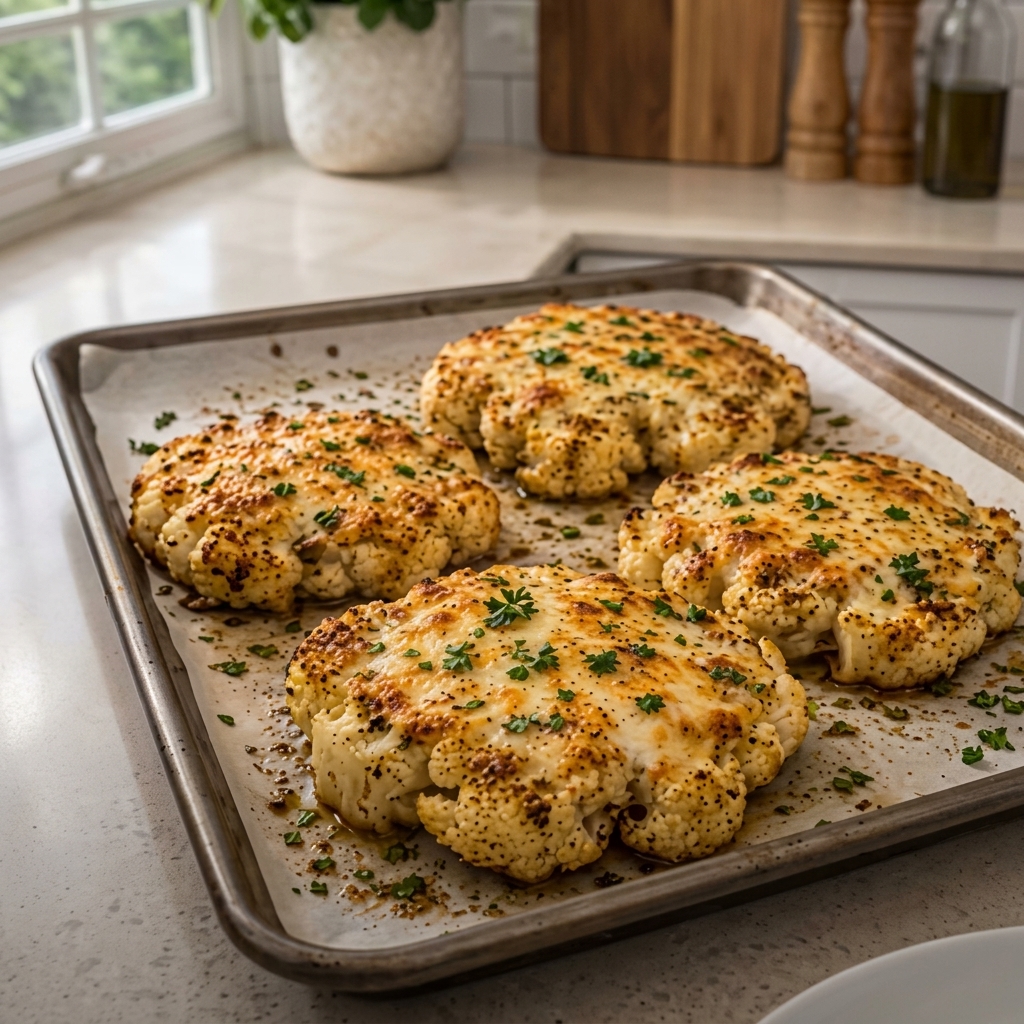
In today’s fast-paced world, convenience often takes precedence over quality when it comes to meal options. You might be tempted to grab a burger or a pizza on your way home from work, but let’s talk about the virtues of choosing homemade food instead. Crafting your own meals can be not only healthier but also surprisingly rewarding.
Why Choose Homemade Food Over Fast Food?
Opting for homemade food provides numerous advantages. For starters, you have complete control over the ingredients. This means you can select fresh, high-quality produce and avoid hidden additives and preservatives typically found in fast food. According to a study published by the Journal of Nutrition, cooking at home is associated with a healthier diet overall. Here are a few more compelling reasons to embrace the art of cooking:
- Nutritional Benefits: When you prepare your own meals, you can experiment with nutrient-rich ingredients that align with your dietary needs. For instance, replacing traditional bacon with turkey bacon not only reduces fat content but also packs in flavor.
- Budget-Friendly: Dining out can take a toll on your finances. Preparing homemade meals allows you to stretch your grocery budget. With some planning, you can create multiple meals from the same set of ingredients.
- Creative Outlet: Cooking can be an enjoyable and creative process. Finding new recipes, experimenting with flavors, and even plating your dishes can be therapeutic. Plus, who doesn’t love impressing friends with gourmet-looking meals?
- Family Bonding Time: Preparing food together can be a great opportunity to connect with family or roommates. Consider hosting a cooking night where everyone contributes to a delicious dish, making mealtime a shared experience.
It’s essential to find balance and variety in your meal planning. For inspiration, check out eatingwell.com or foodnetwork.com for a wealth of recipes and tips that incorporate healthier ingredients like chicken ham or beef in creative ways.
So, the next time you find yourself reaching for your phone to order takeout, consider the benefits of making homemade food. Your body—and your wallet—will thank you.
Key Ingredients for Homemade Meals
Essential pantry staples
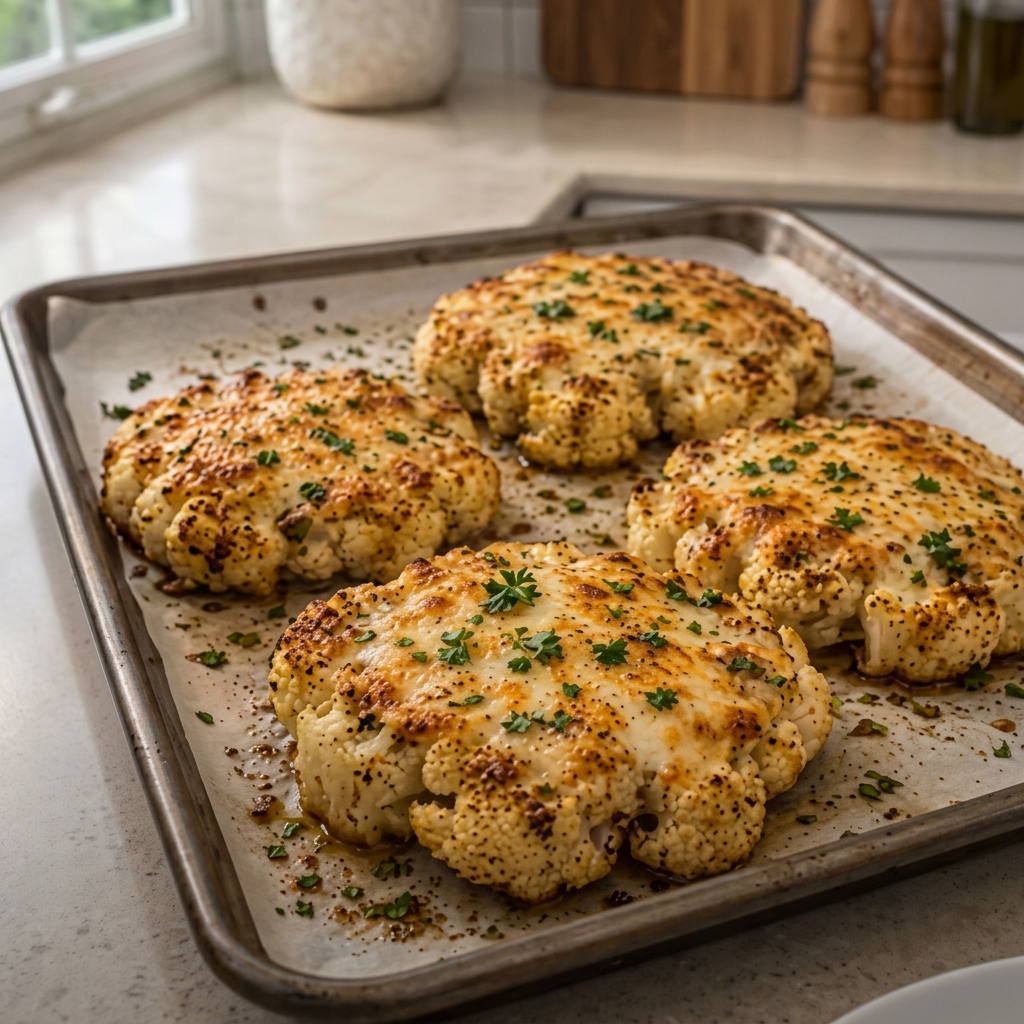
When embarking on your homemade food journey, having the right pantry staples can make all the difference. Here are some must-haves that you should keep stocked:
- Olive oil & vegetable oil: Perfect for sautéing and drizzling, these oils are foundational in various cuisines.
- Canned tomatoes: A versatile ingredient for sauces, soups, and stews, adding depth and flavor.
- Dried herbs and spices: Think oregano, basil, garlic powder, and paprika to elevate your dishes. Don’t forget salt and pepper!
- Rice and pasta: Versatile and filling, these staples can form the base of countless meals.
Fresh ingredients to keep on hand
In addition to pantry essentials, fresh ingredients can take your homemade meals to the next level. Try to keep these items on hand:
- Seasonal vegetables: Fresh produce is not only more flavorful but also more nutritious. Think bell peppers, carrots, and leafy greens.
- Chicken ham and turkey bacon: These lean proteins add flavor and texture to many dishes without excessive fat.
- Eggs: Packed with protein, they’re perfect for breakfast or as a binding agent in recipes.
- Herbs: Fresh basil, cilantro, or parsley can brighten up your meals instantly.
Prioritizing these ingredients means you’re always ready to whip up something delicious without a trip to the store. For more advice on meal prepping and ingredient storage, check out this comprehensive guide.
Getting familiar with these essentials not only simplifies your cooking process but also inspires creativity in the kitchen. What are your must-have ingredients for making homemade food?
Step-by-Step Preparation for Delicious Homemade Meals
Creating delicious homemade meals is not only rewarding but also easier than you might think. With a bit of planning and preparation, you’ll be crafting culinary masterpieces in your own kitchen. Let’s break it down step-by-step for a seamless cooking experience.
Plan Your Meals
Before you even pull out your pots and pans, start with a meal plan. Sit down for a few minutes and decide what you want to cook for the week. Think about your schedule: do you have busy evenings? Maybe opt for quick dishes on those days. Here are some strategies to consider while meal planning:
- Diversity: Incorporate a variety of proteins (like chicken ham or turkey bacon), vegetables, and grains. This keeps your meals interesting and nutritionally balanced.
- Make a List: After deciding on meals, jot down the necessary ingredients. This step not only saves time at the market but also reduces impulse purchases—your wallet will thank you!
- Look for Inspiration: Websites like Eatwell101 offer a plethora of meal ideas, often categorized by season or dietary preferences.
Prepare Your Ingredients
Once you have your meals planned, it’s time to dive into ingredient preparation. This is where the magic begins! Start by gathering all the ingredients you’ll need. Chop, dice, and measure them beforehand to streamline your cooking process.
- Wash Your Produce: Ensure everything is clean, especially if you’re using fresh fruits and vegetables. A little prep goes a long way.
- Organize Your Workspace: Arrange your ingredients in the order you’ll be using them. Having everything at hand minimizes mess and maximizes efficiency.
- Don’t Skimp on the Prep: A well-prepped ingredient is a happy ingredient. For example, marinating turkey bacon ahead of time can enhance its flavor.
Cook Your Meal with Love
This is perhaps the most enjoyable step—actually cooking your homemade food. As you begin, take a moment to embrace the process. Cooking is not just about sustenance; it can be a creative outlet and a way to express love for yourself or those you care about.
- Stand by Your Recipe: Follow your meal plan, but don’t hesitate to sprinkle in your personality. Feel free to swap out ingredients or add spices if it suits your taste.
- Stay Present: Engage with what you’re doing. Listen to cooking podcasts or your favorite music. This helps connect you to the moment and turns cooking into a joyful experience.
- Taste as You Go: This allows you to adjust flavors and seasonings, ensuring your meal is just right.
Make It Visually Appealing
We eat with our eyes first! Keeping your homemade meals visually appealing elevates the whole experience. Here are a few tips:
- Use Color: Bright vegetables, fresh herbs, and even colorful grains can make a dish pop. Think of a rainbow on your plate!
- Plating Matters: Take a bit of time to present your meal beautifully. Use clean plates and consider garnishing with fresh herbs or a drizzle of sauce.
- Serve With Style: Whether it’s a rustic wooden board or fine china, how you serve your meal can enhance its overall appeal.
Clean as You Go
Cooking can get messy, but cleaning as you go will help you enjoy the process without facing a mountain of dishes afterward. It’s a simple yet effective method:
- Have a Trash Bowl: Keep a bowl nearby to toss scraps and peels, minimizing clutter on your countertops.
- Wash Pots and Pans Between Steps: This keeps your workspace tidy and makes post-meal cleanup much less daunting.
- Embrace the Cleanup: Just like cooking, cleaning can be meditative. Put on some music or listen to a podcast as you tidy up.
With these steps, you’ll not only create delicious homemade meals but also enjoy the process along the way. So gather your ingredients, roll up your sleeves, and get cooking! Bon appétit!
Variations on Your Favorite Homemade Dishes
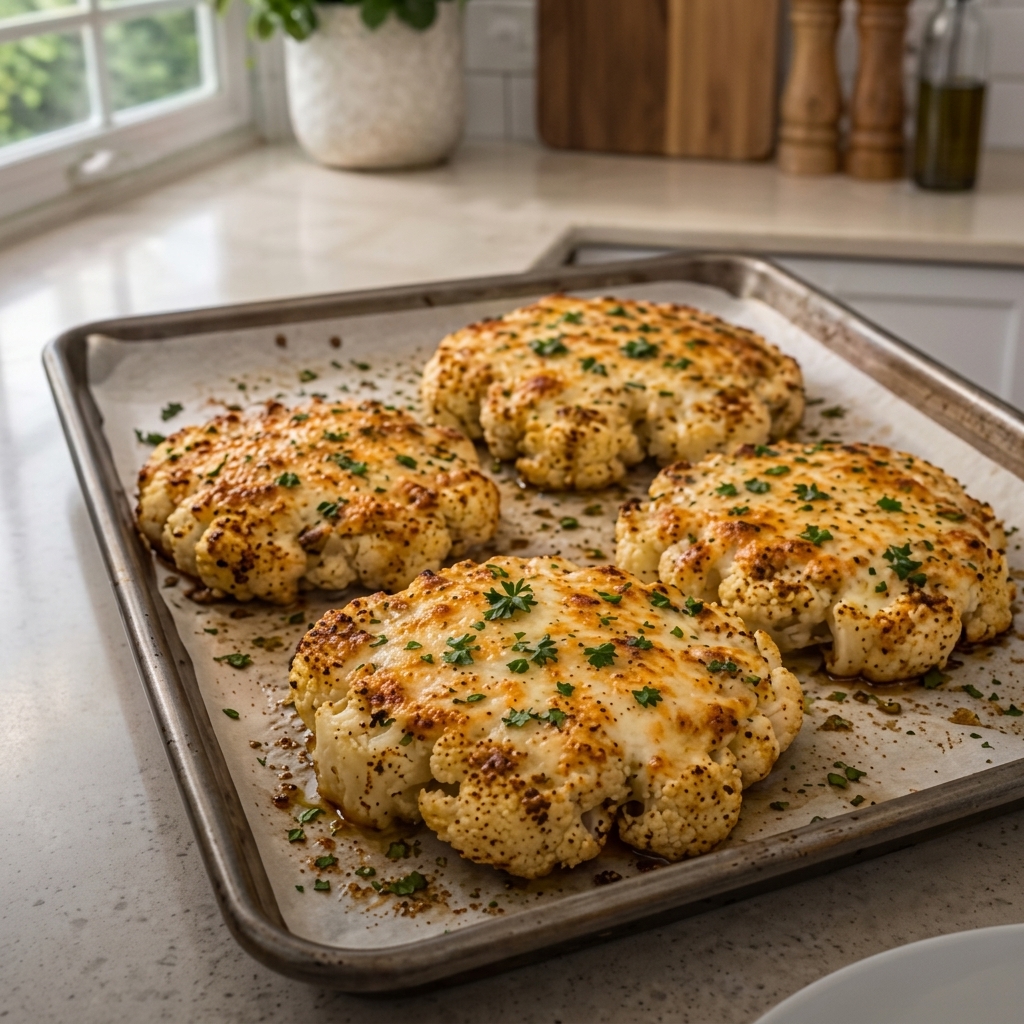
Finding creative ways to enjoy homemade food can not only elevate your meals but also make cooking more exciting. Here are some fun variations on classic dishes that bring freshness to your kitchen.
Healthy Twists on Classic Recipes
Eating healthy doesn’t mean sacrificing flavor. Here are some simple swaps:
- Turkey Bacon for Classic Bacon: Try turkey bacon to reduce fat while still enjoying that crispy, smoky goodness. It pairs perfectly with avocado toast or in a breakfast burrito.
- Zoodles Instead of Pasta: For your favorite pasta dishes, swap regular pasta for spiralized zucchini. It’s a great way to cut carbs while adding fiber and nutrients. Check out this guide on zoodles.
- Cauliflower Rice: Turn your stir-fries and grain bowls lighter by using cauliflower rice. It’s a fantastic way to sneak in veggies and maintain that satisfying texture.
Global Flavors at Home
Travel may seem limited, but you can experience global cuisines right in your kitchen:
- Spicy Taco Bowls: Blend traditional taco flavors with global spices. Use chicken ham, black beans, corn, and top with a zesty lime dressing. Think of it as a cultural mash-up that packs flavor and fun!
- Mediterranean-Inspired Quinoa Salad: Mix cooked quinoa with cherry tomatoes, chickpeas, feta, and a generous drizzle of olive oil and lemon. A meal that’s refreshing and nutrient-dense.
- Indian-Style Lentil Curry: Jazz up a basic lentil soup with coconut milk and spices like cumin and coriander. It’s an easy way to bring warmth and comfort to your table.
Exploring these variations on homemade food can enrich your meal prep routine, making it both delicious and nutritious. What’s your next culinary adventure?
Cooking Tips and Notes for Perfect Homemade Food
Creating homemade food that’s bursting with flavor can be as satisfying as it is delicious. Here are some essential tips to elevate your cooking game!
Key Techniques to Enhance Flavor
- Sear proteins: Start by searing your Turkey Bacon or Chicken Ham to lock in those luscious juices. It adds a lovely crust that enhances both texture and taste.
- Use fresh herbs: A handful of fresh basil or thyme can transform a simple dish into a flavorful masterpiece. They’re often more vibrant than dried alternatives.
- Layer flavors: Don’t just season at the end; add some spices or salt during the cooking process to build depth.
Importance of Seasoning and Timing
The right seasoning can make or break your meal. It’s advisable to taste your dish as it cooks, adjusting flavors gradually. Remember that timing is key: some flavors develop over time, while others shine best when added last. For example, you’ll want to wait until the dish is nearly done before sprinkling in delicate herbs.
Want to dive deeper? Check out this guide on flavor building for more tactics to boost your culinary creations!
Serving Suggestions for Homemade Dishes
Embracing Family-Style Dining
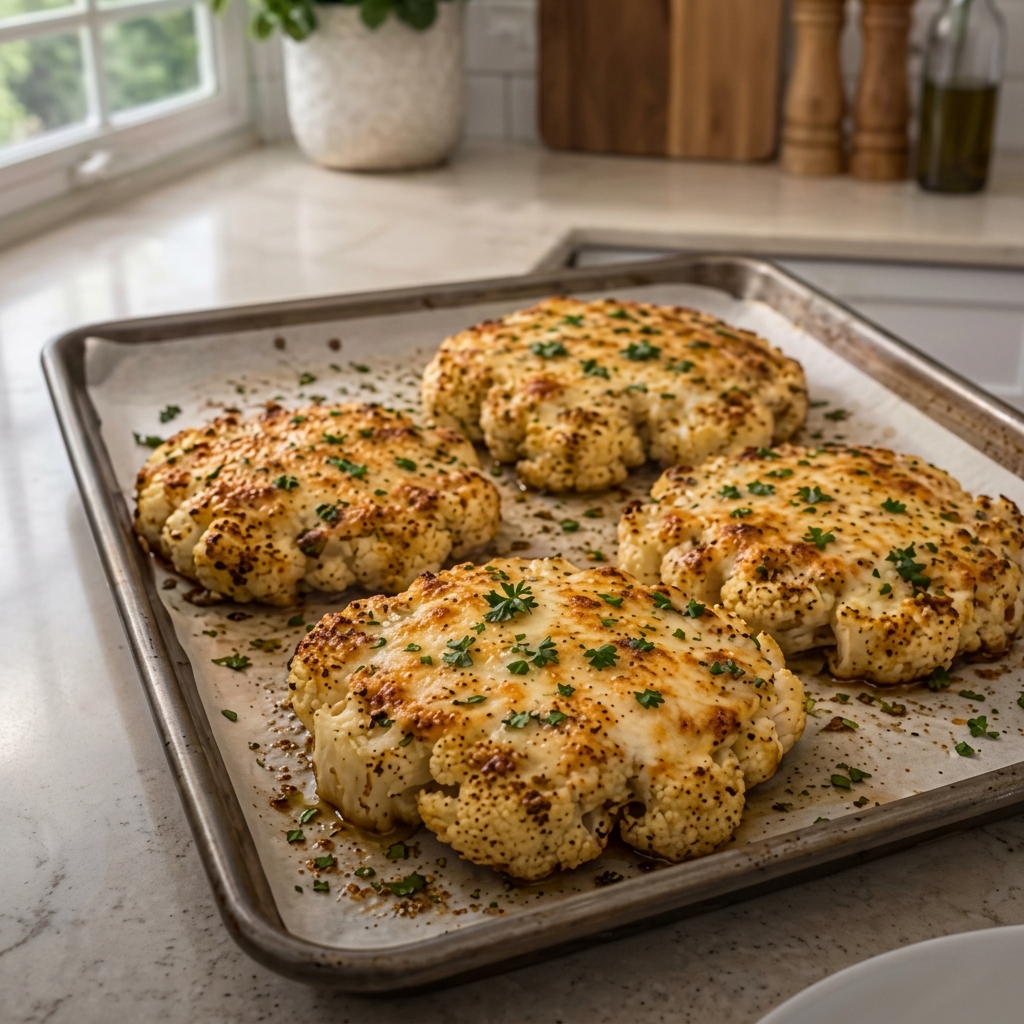
When it comes to enjoying homemade food, there’s something magical about gathering around the table with friends and family. Serve dishes family-style by placing generous portions in the center, allowing everyone to serve themselves. This not only creates a relaxed atmosphere but also encourages delightful conversations. Consider using vibrant serving platters and bowls to elevate the dining experience.
- Include colorful salads that add visual appeal.
- Pair with fresh bread or homemade rolls for a comforting gesture.
Meal Prep and Storage Options
Meal prep is a game-changer for busy lives. After whipping up your homemade dishes, think about how you can store leftovers efficiently. Invest in quality airtight containers to keep food fresh.
- Portion out meals for easy grab-and-go lunches.
- Label and date containers to avoid confusion and food waste.
Freezing portions can be a lifesaver, allowing you to enjoy your delicious creations weeks later. For tips on meal prepping without waste, check out expert resources on meal planning and organization.
By considering these serving suggestions, you’ll not only create memorable meals but also streamline your week, making homemade food truly enjoyable.
Time Breakdown for Homemade Meals
Preparation Time
When it comes to homemade food, preparation is key. Depending on the recipe, aim for about 15-30 minutes to chop, slice, and gather your ingredients. Getting organized not only makes the cooking process smoother but also allows you to channel your inner chef without stress.
Cooking Time
Cooking time varies widely by dish, but for most homemade meals, expect anywhere from 20 to 60 minutes on the stove or in the oven. Think of this as your time to relax while you create something delicious. Almost like a culinary meditation—just you and your ingredients doing their dance!
Total Time
In total, you might be looking at around 35 minutes to an hour and a half for a complete meal. This might seem like a commitment, but remember that homemade food often outshines takeout in taste and nutrition. Plus, the satisfaction of seeing your efforts simmer into a gorgeous dish is unbeatable! Check out Food Network for inspiration on quick, easy meals.
Nutritional Facts for Homemade Meals
Calories per serving
Creating your own homemade meals gives you control over the ingredients, and this allows you to keep an eye on the caloric intake. On average, a serving of a homemade dish can range from 300 to 600 calories, depending on the recipe and portion size. For instance, a hearty turkey bacon and chicken ham scramble could clock in around 400 calories.
Key nutrients
Homemade food means you can pack in nutrients! Key components often include:
- Lean proteins: Turkey bacon and chicken ham are fantastic sources.
- Healthy fats: Choosing olive oil or avocado can enhance flavor and nutrition.
- Vitamins and minerals: Including plenty of vegetables can boost fiber and overall nutrient density.
Want to learn more about nutrient-rich foods? Check out this resource from the Harvard School of Public Health for deeper insights.
Health benefits
Eating homemade meals can significantly improve your health. Consider these amazing benefits:
- Weight management: You control portion sizes and ingredients, making it easier to stay on track.
- Improved heart health: Opting for lean meats can reduce unhealthy cholesterol levels.
- Enhanced mental well-being: Cooking can be therapeutic, providing a creative outlet that relieves stress.
So, what’s holding you back? Embrace home cooking—the health perks are endless!
FAQs about Homemade Food
How can I make cooking at home easier?
Cooking at home doesn’t have to feel like a chore. One key is meal prepping—set aside a few hours on the weekend to cook and portion meals for the week. This can save you time and reduce the temptation to order takeout. You can start by making a big batch of a versatile dish, like a hearty quinoa salad or a savory turkey bacon stir-fry, which you can mix and match with different sides throughout the week. For quick reference, check out meal prep tips on EatingWell.
What are some quick homemade meal ideas?
When time is tight, your options can still be plentiful. Here are some homemade food ideas that can be whipped up in under 30 minutes:
- Turkey Bacon Avocado Wraps: Simple and satisfying, just toss sliced turkey bacon, fresh veggies, and guacamole in a whole grain wrap.
- Quinoa and Black Bean Bowl: A protein-packed dish with just a few ingredients, it’s as easy as boiling quinoa and mixing it with canned black beans, corn, and salsa.
- Veggie Stir-Fry: Grab whatever veggies you have on hand, add some chicken ham, and a splash of soy sauce, and you have a colorful meal ready in no time.
Can I make homemade food on a budget?
Absolutely! Cooking at home can be cost-effective with just a little strategy. Opt for seasonally available ingredients and make meals around store sales. For instance, beans, lentils, and frozen vegetables are often affordable staples. Websites like Budget Bytes showcase recipes that won’t break the bank, helping you eat well without overspending. Plus, planning meals around what you already have can minimize waste and keep you on budget.
By utilizing these tips and tricks, you’ll find that whipping up delicious homemade food is not only manageable but also enjoyable!
Conclusion on Homemade Food
Creating your own homemade food is more than just following recipes; it’s about nourishing your body with love and creativity. As you embark on this cooking journey, don’t feel overwhelmed! Start small – perhaps with a dish that features Turkey Bacon or Chicken Ham, and gradually build your skills.
Encouragement to Start Your Cooking Journey
- Explore New Flavors: Experimenting with ingredients can lead to delightful surprises, as you find new flavors that elevate your meals!
- Connect with Others: Sharing your culinary creations can foster connections. Consider inviting friends over for a cooking night or sharing your dishes on social media.
Ultimately, making homemade food can be both fun and fulfilling. Dive into the world of cooking, and discover a skill that nurtures both mind and body. For inspiration, check out resources like America’s Test Kitchen or Serious Eats to expand your culinary horizons. Happy cooking!
Print
Homemade Food: Easy Turkey Bacon & Chicken Ham Delight Recipe
- Prep Time: 10 minutes
- Cook Time: 15 minutes
- Total Time: 25 minutes
- Yield: 2 servings 1x
- Category: Main Course
- Method: Pan-frying
- Cuisine: American
- Diet: Low Carb
Description
This homemade recipe combines the delicious flavors of turkey bacon and chicken ham, creating a delightful dish that’s easy to make.
Ingredients
- 4 slices turkey bacon
- 2 slices chicken ham
- 1 tablespoon olive oil
- 1/2 teaspoon black pepper
- 1/4 teaspoon garlic powder
- 2 slices of bread
- 1 slice cheese (optional)
Instructions
- Heat the olive oil in a pan over medium heat.
- Add the turkey bacon and cook until crispy.
- Remove the bacon and add the chicken ham to the same pan.
- Cook the chicken ham until heated through.
- Toast the bread in the pan until golden brown.
- Assemble the dish by placing the turkey bacon and chicken ham on the toasted bread, adding cheese if desired.
- Serve hot and enjoy!
Notes
- Feel free to add your favorite toppings.
- Adjust seasoning to taste.
Nutrition
- Serving Size: 1 sandwich
- Calories: 300
- Sugar: 1g
- Sodium: 800mg
- Fat: 20g
- Saturated Fat: 5g
- Unsaturated Fat: 10g
- Trans Fat: 0g
- Carbohydrates: 25g
- Fiber: 2g
- Protein: 15g
- Cholesterol: 30mg
Keywords: turkey bacon, chicken ham, easy recipe, homemade food